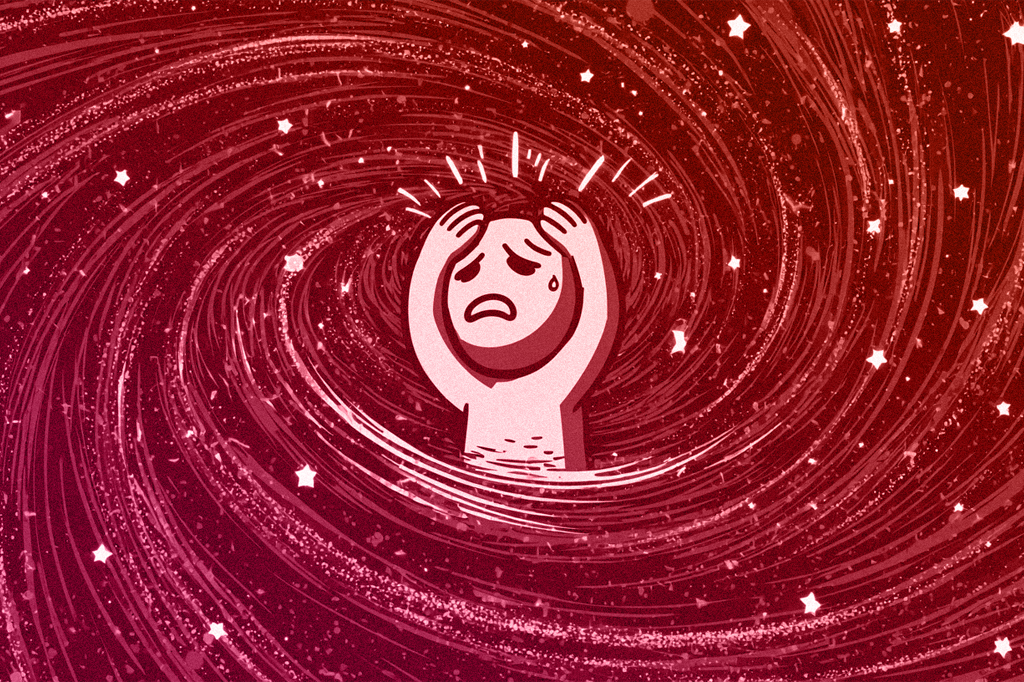
Career anxiety is not uncommon. Occasionally, a person’s career experiences a jolt or two and anxiety creeps in. But today, the fear is deeper. It lingers and seems perpetual. Plus, it’s affecting almost everyone—from fresh graduates to mid- and senior career professionals.
There are 3 big forces that are contributing to this:
First, there’s the obvious demon—AI. AI is quietly creeping into white-collar work, replacing tasks that once felt untouchable. And automation is coming for the factory worker. The IMF estimates around 40% of jobs worldwide are exposed to AI disruption, and in advanced economies, it could be as high as 60%. [1] For half of those roles, AI might not just assist — it might replace. Little wonder people are uneasy.
Second, skills are going stale faster than people can refresh them. The World Economic Forum says 39% of the skills people use at work today will change by 2030. That’s 2 out of 5 people, and 2030 is barely five years away. So even if your job title doesn’t change, what that job requires will continue to shift.
Third—and this is something most people overlook—many employees are anxious not because of what they do, but because of how closely they’re being watched. Performance dashboards, time trackers, digital visibility tools—all of it creates a low-grade paranoia that they’re never doing enough. Every idle minute is recorded, and when your performance sits on your boss’s screen in real time, you never truly relax. This is not just grapevine talk. There is evidence that workplace monitoring is now a mainstream source of stress. [2]
When you combine these three—AI & automation, skill churn, and constant scrutiny—you realize why the anxiety feels perpetual. The 2008 crash, or even the pandemic layoffs, were painful but temporary. But AI isn’t a storm that will pass. It’s a tectonic shift. And so this wave of anxiety feels permanent to many.
Career Anxiety Affects More Than Just Your Career
Many people are so used to anxiety that they’ve accustomed themselves to “just live with it.” But anyone who has lived with career anxiety knows that it doesn’t stay confined to one’s job. It leaks into everything—health, habits, sleep, relationships—and naturally, the anxiety compounds.
1/ It wrecks your mental health.
People who feel insecure at work report far higher levels of distress and burnout. We don’t need a study or some elaborate research to understand that flexibility and job security are directly linked to lower anxiety and better mental well-being. But when uncertainty rises—as it has with AI and layoffs—that mental strain skyrockets.
2/ It hits your physical health.
Long-term job insecurity is as harmful as many physical risk factors. Mild headaches and palpitations are one thing, but a massive meta-analysis found unemployment increases mortality risk by over 60%. [3] It doesn’t get grimmer than this. In fact, even the anticipation of losing your job triggers the same stress pathways. The body doesn’t differentiate between “I lost my job” and “I might lose my job.”
3/ It leads to self-sabotage.
When you’re anxious about your future, you avoid the very actions that could improve it. You procrastinate on upskilling, withdraw from colleagues, or quietly disengage from the world. Research links financial and job stress to higher rates of depression, drinking, and avoidance behaviour—all career killers. (I have spoken about avoidance behaviour multiple times in the past.)
4/ It kills your motivation to learn.
You’d think the more insecure people feel, the more they’d invest in their own growth. But the opposite is true. Anxiety drains the willpower needed to take courses, seek help, or even gather the motivation to complete basic work like updating your LinkedIn profile. It’s a paradox because employability—which is the feeling that you have options—is one of the strongest buffers against anxiety itself.
Career anxiety doesn’t just make people unhappy. It makes them stuck. And obviously, the longer you stay stuck, the worse it gets.
What You Can Actually Do About It
You can’t control the economy or stop AI. But you can control how you respond. As Jeff Bezos put it, “a large part of our anxiety comes from avoiding what needs to be done.”
Here are three things you can do today:
1/ Build a career strategy that faces the market, not your fears
The fastest way to reduce anxiety is to take action—no matter how small or “insignificant.” Instead of spiraling about “AI taking over,” identify the three tasks in your job most at risk from AI. Then look for adjacent skills that complement AI/automation rather than compete with it.
Don’t binge-watch online courses, as that’s a form of procrastination. Instead, create a six-week skill sprint tied to something you can ship—a project, a report, a case study. What you’re seeking is visible proof of your work.
Why it’s helpful:
- You turn anxiety and uncertainty into movement.
- Studies show people who believe they can adapt—who feel “employable”—experience significantly lower distress.
- Small, tangible wins restore a sense of control, which is a sound antidote to anxiety.
2/ Get a coach (yes, really)
If you’ve ever tried to reinvent your career alone, you know how hard it is to stay objective when fear is driving you. One of my mentors said that a good coach acts like a second brain that is objective and detached. So even as you spiral, this second brain keeps you steady and moving out of the anxiety labyrinth.
Multiple meta-analyses of workplace coaching show clear results: improved performance, reduced stress, and better goal achievement. It works because it brings structure and accountability to what would otherwise be chaos. [4]
A coach helps you:
- Set measurable weekly actions instead of vague intentions.
- Break down avoidance patterns—the “I’ll update my resume when I feel better” type.
- Create early wins that rebuild confidence. Small wins are rocket fuel.
Think of it like having a personal trainer for your career. You could work out alone, but odds are, you won’t push as hard or stay consistent, and thus you won’t be able to achieve your goals.
3/ Tackle anxiety directly, not indirectly
You can’t “logic” your way out of anxiety because it’s physiological. The fastest path to calm is through the body and habits, not just the mind.
Cognitive-Behavioral Therapy (CBT) techniques are proven to reduce anxiety—even when practiced solo. Try this stack:
- Write the fear down. (“AI will make me irrelevant.”)
- Interrogate it. What’s the evidence for and against?
- Reframe it. (“Some tasks may change—I’ll learn to use the tools.”)
- Take an action and seek a small win. Apply for a project, post your work online, or talk to someone who’s already adapting.
Couple this with physical movement. Study after study shows that regular exercise reduces anxiety symptoms as effectively as medication for many people. Even a brisk 20-minute walk five times a week stabilizes mood and focus.
Concluding Thoughts
Career anxiety is real—it’s simply the cost of living through one of the biggest and most overwhelming transitions in modern work. AI, automation, and constant monitoring have changed the rules faster than anyone can adapt. But while you can’t stop the tide, you can certainly learn to stay afloat by surfing it. Small, deliberate actions—building market-facing skills, working with a coach, and addressing anxiety head-on—stop the anxiety and put you back in control.
So don’t wait for the fear to fade. It won’t—because, well, fear is an evolutionary tactic. Move despite the fear. As the famous saying goes, “Feel the fear and do it anyway.” Take one concrete action this week that shifts you from thinking to doing. Every step you take with purpose and skill builds momentum—and momentum is how people outrun fear.